KLOW Peptide Stack: GHK-Cu, BPC-157, TB-500, KPV

Levels decline naturally with age, and research suggests it may influence collagen production, extracellular matrix remodeling, wound healing, antioxidant defense, and gene expression.
an illustrated introduction to GHK-Cu

That’s more human data than exists for almost anything else in this stack, though the full Phase II results were never published as a standalone peer-reviewed paper, so it’s still fair to treat it as encouraging rather than definitive. That’s a big part of why it’s generated so much interest around gut health specifically. Preclinical research suggests KPV can influence inflammatory signaling pathways, including NF-κB, and it’s been tested in two standard animal models of ulcerative colitis, where it has reduced inflammatory markers and accelerated healing of the intestinal lining. If you’ve spent any time in the peptide world lately, you’ve probably heard about the KLOW peptide stack. As interest in multi-peptide formulations continues to grow, clarity around their intended use and biological focus becomes increasingly important.

It is crucial to adhere to the dosage guidelines stated on the packaging in the future and to never surpass the suggested limit. Valuable tools for scientific exploration into pathways of cellular repair, tissue regeneration, and inflammatory modulation are provided by both GLOW and KLOW peptide formulations. The KLOW formulation broadens research applications to encompass modulation of inflammatory cascades and interactions with the immune system, making it appropriate for more intricate multi-system studies. The effects of the GLOW formulation on pathways of tissue regeneration and structural protein synthesis are mainly studied in controlled laboratory settings. Although these formulations have similar names, their molecular structures and theoretical mechanisms show considerable differences.

An unapproved product sold without a prescription, the $80 vial is labeled for research purposes and not for human consumption. When comparing GLOW, available for about $80 from a research site, and KLOW, priced at $349 from a clinic, this is the analysis people typically conduct in their minds. Written for individuals preparing their own vials, vendor dosage charts for GLOW and Wolverine resemble math homework.

Significant variations in individual results can occur depending on health conditions, types of injuries, and other variables. Despite promising initial human data, extensive clinical trial results for most peptide compounds remain scarce. The content available on this website, including articles, guides, and educational materials, serves purely for informational and educational purposes and is not intended as medical guidance, diagnosis, or treatment. Comprising BPC-157, GHK-Cu, KPV, and TB-500 in one vial, KLOW thus has a side-effect profile encompassing four profiles, coupled with the acknowledgment that the combination has not been studied.

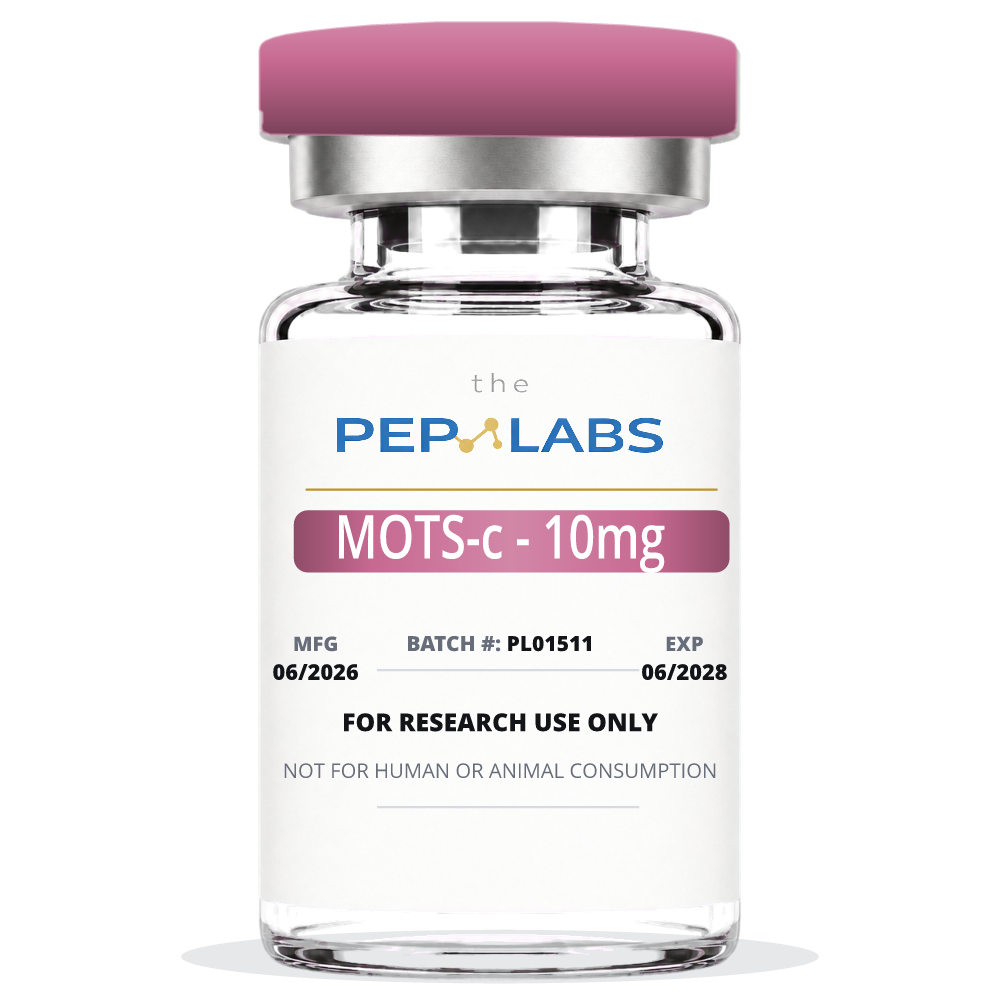
MOTS c peptide information

Is the use of peptide stacks safe?

When purchasing the KLOW blend, remember to add bacteriostatic water to your cart as it is sold separately. Store reconstituted vials at 2–8°C and use within 28 days. To the 80mg vial, inject 2.5mL of bacteriostatic water slowly along the wall of the vial, avoiding direct contact with the powder.

KPV, a tripeptide fragment of alpha-MSH, directly inhibits NF-kB — the precursor switch for the production of TNF-alpha, IL-6, and IL-1beta — and shows documented anti-inflammatory properties specific to the gut (Luger & Brzoska, 2007). The blend’s most significant ingredient is GHK-Cu, the copper-binding tripeptide, present at 50mg; its research encompasses collagen production, wound healing, and extensive gene-expression impacts, primarily from topical and dermal studies (Pickart & Margolina, 2018). This article highlights what has been documented rather than what should be undertaken.

When people select KLOW over GLOW, they most frequently cite the KPV component. A KLOW protocol guide based on evidence is available, detailing dosing structure, reconstitution calculations, injection schedules, cycle lengths, and safety considerations for this four-peptide combination. Intended solely for educational research use, this article should not be regarded as medical advice. BPC-157’s human data comprises only three small pilot studies, while the other three compounds have even weaker records, with KPV relying solely on rodent data. None of the four individual compounds in KLOW is FDA-approved for human use, and the combination itself is not sanctioned by the FDA.

With four compounds come four sets of potential side effects, and without prior testing of the individual components, anyone is essentially guessing what caused which effect. BPC-157 and KPV, addressing a gut issue independently, omit the copper peptide and TB-500, making them significantly less expensive. The concern largely disappears for gut protocols since KPV and BPC-157 are administered in capsule form; refer to the difference between oral and injectable BPC-157. Known to have no conflict with either BPC-157 or TB-500, KPV is sometimes combined with them, though there is no stability data available for any peptide blend sold in the research market. Following a 2 to 4 week break, the only way to determine if KPV had any effect is to exclude it from the next cycle and observe if symptoms resurface. The PepT1 transporter, which is increased during inflammation, carries KPV into inflamed intestinal cells, and oral KPV has been shown to reduce colitis in several mouse models.

The complete concept of the KLOW stack
the GHK-Cu.com website

Many people in the Fully Optimized Health community stack KLOW alongside other BPC-157 protocols for gut healing, or add it to existing TB-500 regimens for injury recovery; both with excellent results. But if chronic inflammation is in the picture at all (and for most people over 40 it is), KLOW is the more complete protocol. If your primary goal is purely injury recovery and/or aesthetic skin rejuvenation without a significant inflammatory component, GLOW may be the appropriate starting point. And unlike most anti-inflammatory compounds, KPV works INSIDE the cell. This is why I’ve seen KLOW produce results in people who had already run GLOW protocols without breaking through their plateau… the missing piece in the GLOW trifecta was always the immune modulation layer. Long-time followers of the Jay Campbell ecosystem already know about the GLOW peptide blend.

Analyzing the four components

Utilizing gravity is the documented method for this procedure. Bac water allows refrigeration for up to 28 days, which is significant when a single KLOW vial can provide more than 20 injections. Other sources clarify that these materials are research compounds or experimental substances and not approved for consumer use. Interest in KLOW Peptide Stack appears to mirror a wider fascination with branded peptide combinations and formulations in 2026. The term is not presented as an approved formulation, clinical protocol, or treatment category.

Some studies on animal models have focused on tissue-level impacts after experimental injury, with researchers observing alterations in inflammatory markers in groups treated with TB-500 compared to control groups. Numerous published studies have investigated behavioral outcomes in lesion models where dopaminergic pathways were disrupted, finding that BPC-157 seems to affect certain behavioral parameters in these controlled experiments. In selecting between the two formulations, researchers should evaluate their specific pathway targets and experimental designs. Typically containing GHK-Cu, BPC-157, TB-500, and KPV, KLOW is a multi-peptide research formulation. This guide offers an in-depth analysis of the known components of the KLOW peptide stack, the receptor biology associated with each, and the preclinical literature that has investigated relevant model systems. Source Peptides exclusively provides research compounds to qualified researchers, research institutions, and laboratories for in-vitro laboratory investigations only.

🔥 Play ▶️

Essential strategies for airplane game success with bluelinelw.com and maximizing potential winnings

The thrill of the “airplane game” – a captivating blend of risk and reward – has surged in popularity, drawing players seeking an exciting and potentially lucrative experience. At its core, this digital pastime centers around predicting when to cash out before an airplane flies away, with increasing multipliers offering bigger payouts the longer it stays airborne. A key platform for experiencing this unique form of entertainment is bluelinelw.com, where players can immerse themselves in this dynamic game and test their strategic prowess. It’s a simple concept, yet demands careful observation, quick reflexes, and a healthy dose of calculated risk.

The appeal lies in the psychological element; it's not just about luck, but about understanding probabilities, managing your emotions, and recognizing patterns. Each round presents a new challenge, forcing players to adapt their strategies and make split-second decisions. While the potential for substantial winnings is attractive, the ever-present threat of a sudden “crash” adds an undeniable layer of tension. Successfully navigating this environment requires a mindful approach, and a clear understanding of the underlying mechanics. The game’s popularity speaks to a broader desire for engaging and unpredictable online experiences.

Understanding Risk and Reward in Airplane Games

The foundational principle of any airplane game, including those available on platforms like bluelinelw.com, is the interplay between risk and reward. The longer the virtual aircraft remains aloft, the higher the multiplier climbs, leading to potentially significant profits. However, this extended flight isn’t guaranteed; at any moment, the plane can disappear, resulting in the loss of your wager. This inherent volatility is what makes the game so compelling. Players are essentially betting on the probability of the plane continuing its ascent versus the likelihood of an unexpected crash. Mastering this balance requires a nuanced understanding of how these games operate. It’s crucial to move beyond simply chasing high multipliers and instead focus on developing a strategic approach that minimizes risk while maximizing potential gains.

One common mistake among novice players is to become overly fixated on previous rounds, believing they can identify patterns that predict future outcomes. While observing past results can be informative, it’s important to remember that each round is largely independent. The game utilizes random number generators (RNGs) to determine when the plane will fly away, ensuring fairness and unpredictability. Relying too heavily on perceived patterns can lead to irrational decision-making and ultimately, increased losses. Successful players understand that while they can't predict the future with certainty, they can control their risk exposure and implement strategies to protect their bankroll.

The Role of Autocashout Features

Many platforms, including bluelinelw.com, offer an "autocashout" feature. This allows players to pre-set a multiplier at which their bet will automatically cash out, regardless of whether they are actively monitoring the game. This can be an incredibly valuable tool for managing risk and ensuring consistent profits, even when you're unable to dedicate your full attention to the game. For example, setting an autocashout at 1.5x multiplier means you will automatically cash out when the multiplier reaches that point, guaranteeing a small but consistent return on your investment. However, it’s important to strategically select your autocashout multiplier. Too low, and you may miss out on larger potential gains; too high, and you risk losing your stake if the plane flies away before reaching your target.

Successfully leveraging autocashout involves analyzing your risk tolerance and setting multipliers that align with your overall strategy. It's not a "set it and forget it" solution. Periodically re-evaluating and adjusting your autocashout settings based on current game conditions can significantly improve your performance. It’s also worth noting that some advanced players utilize multiple autocashout settings, implementing a layered approach to maximize their chances of securing a profit. This might involve setting a lower multiplier for a guaranteed return and a higher multiplier for a more speculative payout.

Autocashout Multiplier
Risk Level
Potential Payout
Frequency of Wins
1.2x Low Small High
2.0x Medium Moderate Medium
3.5x High Large Low
5.0x Very High Very Large Very Low

Understanding the trade-offs associated with each multiplier setting is essential for making informed decisions and optimizing your autocashout strategy. Remember that patience and discipline are key; consistently applying a well-defined strategy, rather than chasing fleeting moments of excitement, is the path to long-term success.

Developing a Winning Strategy

A successful airplane game strategy isn’t about finding a “magic formula” but rather about employing disciplined risk management and adapting to the game's dynamic nature. Starting with a conservative approach is often advisable, especially for new players. This involves setting realistic goals, establishing a clear budget, and avoiding the temptation to chase losses. Rather than attempting to recoup losses with larger bets, it's far more prudent to adjust your strategy and bet size to mitigate further risk. Many experienced players advocate for using a percentage-based betting strategy, where you wager a small percentage of your total bankroll on each round. This helps to cushion against losses and preserve capital for future opportunities.

Diversification is another key element. Instead of placing all your eggs in one basket, consider spreading your bets across multiple rounds or even utilizing multiple autocashout settings. This reduces your overall exposure to risk and increases your chances of securing a profit. Equally important is the ability to recognize when to step away. If you're experiencing a prolonged losing streak, or if you’re feeling emotionally compromised, it’s best to take a break and return to the game with a clear head. Chasing losses when you’re already down is a surefire way to deplete your bankroll.

Bankroll Management Techniques

Effective bankroll management is the cornerstone of any successful airplane game strategy. Before you even begin playing, determine how much money you’re willing to allocate to this activity and treat it as a separate fund that is not essential for your everyday expenses. A common guideline is to set aside a specific amount that you’re comfortable losing. This ensures that even if you experience a series of unfavorable outcomes, it won’t have a significant impact on your financial well-being. Furthermore, break down your bankroll into smaller units, and only wager a small percentage of your total bankroll on each round, typically between 1% and 5%.

A practical example: if your total bankroll is $100, you might choose to wager $1-$5 per round. This allows you to withstand a reasonable number of losses without depleting your capital. Furthermore, it’s important to track your results. Keeping a record of your wins and losses will help you identify areas where you’re performing well and areas where you need to improve. This data can then be used to refine your strategy and optimize your betting patterns. Remember that consistent, incremental gains are far more sustainable than attempting to hit a massive jackpot with a single, risky bet.

  • Set a strict budget and stick to it.
  • Use percentage-based betting (1-5% of bankroll per round).
  • Track your wins and losses to identify trends.
  • Avoid chasing losses; adjust strategy instead.
  • Take breaks when needed.

By implementing these bankroll management techniques, you’ll significantly increase your chances of enjoying a positive and sustainable experience with airplane games on platforms like bluelinelw.com. This disciplined approach is far more likely to yield consistent results than relying on luck or impulsive decisions.

The Psychological Aspects of the Game

Beyond the mathematical probabilities and strategic considerations, the airplane game is deeply rooted in psychological factors. The anticipation of a potential payout, coupled with the fear of losing your stake, creates a unique emotional cocktail that can easily lead to impulsive decision-making. Many players fall victim to “loss aversion,” the tendency to feel the pain of a loss more strongly than the pleasure of an equivalent gain. This can lead them to increase their bets in an attempt to recoup losses, even when it’s strategically unsound. Recognizing this inherent bias is critical to maintaining a rational approach. It’s essential to approach each round with a clear head, focusing on the probabilities and adhering to your pre-defined strategy, rather than allowing emotions to dictate your actions.

Another common psychological trap is the “gambler’s fallacy,” the belief that past events can influence future outcomes in a random system. As previously mentioned, each round in an airplane game is independent, and previous results have no bearing on the next. However, players often fall into the trap of believing that a long streak of losses is “due for a win,” leading them to make irrational bets. Successful players understand that randomness is inherent in the game and avoid letting their emotions cloud their judgment. Maintaining emotional control, practicing mindfulness, and accepting that losses are an inevitable part of the experience are all essential components of a winning mindset.

Managing Tilt and Emotional Control

“Tilt,” a term borrowed from poker, refers to a state of emotional frustration and impaired judgment that can lead to reckless betting behavior. Recognizing the signs of tilt – such as increased irritability, impulsive decisions, and a disregard for your strategy – is the first step in managing it. When you feel yourself starting to tilt, the best course of action is to immediately step away from the game. Take a break, engage in a relaxing activity, and clear your head before returning. It’s far better to lose a small amount of money than to chase losses while operating under the influence of negative emotions.

  1. Identify your personal triggers for tilt.
  2. Set pre-defined loss limits to avoid emotional escalation.
  3. Take frequent breaks to maintain mental clarity.
  4. Practice mindfulness techniques to stay present and focused.
  5. Review your gameplay objectively after each session.

Developing a robust emotional toolkit is just as important as mastering the game's mechanics. By cultivating self-awareness, practicing emotional regulation, and adhering to a disciplined strategy, you can navigate the psychological challenges of the airplane game and maximize your chances of success.

Beyond Basic Strategy: Advanced Techniques

Once you’ve mastered the fundamentals of risk management and bankroll control, you can begin exploring more advanced techniques to refine your strategy. These may include analyzing game statistics, identifying potential biases in the RNG, and experimenting with different betting patterns. Some advanced players utilize tools and software to track game data and identify subtle trends that may not be immediately apparent. However, it’s important to approach these techniques with a healthy dose of skepticism and avoid overanalyzing data in an attempt to find patterns that don’t exist. The core principles of risk management and emotional control remain paramount, even when employing advanced strategies.

Another area for exploration is the use of different autocashout configurations. Rather than relying on a single multiplier, you can create multiple autocashout points to capture profits at different levels. This allows you to balance risk and reward more effectively and potentially increase your overall returns. For example, you might set a low autocashout multiplier (e.g., 1.3x) for a guaranteed small profit, a medium multiplier (e.g., 2.5x) for a moderate payout, and a high multiplier (e.g., 5.0x) for a more speculative reward. This layered approach provides a degree of flexibility and reduces the risk of losing your entire stake. Remember, continuous learning and adaptation are essential for staying ahead in the ever-evolving world of airplane games. The platform bluelinelw.com offers a space to test these strategies, but results can vary.

Adapting to Dynamic Game Environments

The landscape of airplane games is constantly evolving, with new features, mechanics, and algorithms being introduced regularly. This necessitates a flexible and adaptive approach to strategy. What works today may not work tomorrow, so it’s crucial to remain informed about the latest developments and adjust your tactics accordingly. Staying active within online communities dedicated to airplane games can provide valuable insights into emerging trends and strategies. Sharing experiences with other players, analyzing different approaches, and learning from both successes and failures can accelerate your learning curve.

Furthermore, it’s essential to recognize that different airplane game variations may require slightly different strategies. Some games may feature unique multipliers, bonus rounds, or other special features that necessitate a tailored approach. Always familiarize yourself with the specific rules and mechanics of the game you’re playing before placing any bets. The key to long-term success isn’t about discovering a single winning strategy, but about cultivating the ability to adapt and innovate in response to changing conditions. It’s about embracing the challenge, constantly refining your approach, and maintaining a disciplined mindset. A player’s dedication to learning, coupled with responsible gameplay, sets the stage for enjoying the exciting world of online airplane games.