Player Controls at Live Tables: A Practical Guide

Player controls at live tables: Crowngreen guide — live casino

Live casino tables can feel more demanding than ordinary online games because decisions happen while a dealer and other players remain visible on screen. At https://anikabohhollie.com/nz/live-casino/, readers can compare live table categories, but a lobby description does not answer the practical question of how to control a session. This guide focuses on table selection, timing, betting discipline, verification, and the limits of controls that may or may not be available to New Zealand users.

What player controls actually matter at a live table?

Player controls are the settings and choices that shape how a live-table session works. Some belong to the game interface, such as selecting a table, choosing a stake, placing a bet, cancelling an unconfirmed bet, or changing the screen layout. Others are personal decisions, including when to join, how long to remain, and when to leave. The exact buttons vary by provider and device, so readers should treat general descriptions as guidance rather than confirmed Crowngreen functions.

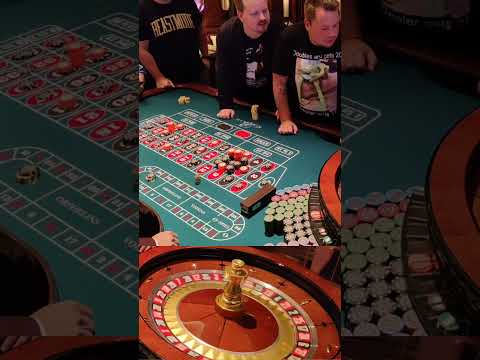
At a live roulette table, the main controls usually involve selecting a chip value, placing inside or outside bets, clearing selections, and confirming a wager before the betting window closes. Blackjack interfaces commonly provide controls such as hit, stand, double down, split, and sometimes insurance. Baccarat generally allows a choice between player, banker, or tie. These buttons are not interchangeable: each applies only to the current game and may disappear once the dealing phase begins.

Speed is an important limitation. A live table may accept bets only during a short countdown, and a disconnected or delayed screen can make the result of an action unclear. Check the bet confirmation, balance display, and hand or spin history before assuming an action succeeded. If the interface freezes, avoid repeatedly pressing buttons or opening another account. Record the table, round, and time, then use the operator’s stated support route if the account history does not resolve the issue.

Player controls at live tables: Crowngreen guide — live casino

Choose the table before choosing the stake

Table selection should come before betting. Start by identifying the game, minimum stake, maximum stake, number of seats if relevant, and whether the table is running continuously or waiting for players. A crowded table is not automatically better, while an empty table is not evidence of a better outcome. The useful question is whether its rules, pace, and stake range suit the session you planned.

Player controls at live tables: Crowngreen guide — live casino

Roulette, blackjack, and baccarat can all look similar in a lobby while requiring different decisions. Roulette players should check the available bet layout and whether the table uses a particular wheel format. Blackjack players need to notice rules around splitting, doubling, dealer action, and side bets. Baccarat players should distinguish the standard wagers from optional side bets, which can have separate rules and pricing. Do not infer a table’s conditions from another table using the same game name.

Filters can make discovery easier, particularly where live categories are separated into roulette, blackjack, baccarat, poker, or other table formats. However, a filter is only a sorting tool, not a quality assessment. “Popular”, “featured”, or similar labels do not establish better odds, lower risk, or better value. Before joining, open the table information and read the displayed rules, stake limits, and any stated restrictions. If those details are unavailable, choose a table where the conditions are clearer.

How can a session stay within its intended limits?

A practical session plan should contain three separate limits: a money limit, a time limit, and a stopping condition. Decide the maximum amount you are prepared to lose before opening the table, then decide how long the session may last. A stopping condition might be reaching the planned loss limit, completing the planned time, or recognising that tiredness and frustration are affecting decisions.

Live tables can encourage longer sessions because rounds continue visibly and the dealer’s commentary creates a sense of momentum. That atmosphere should not be mistaken for a reason to increase stakes. Set the intended chip value before joining and avoid changing it simply because recent results feel favourable or disappointing. A winning run does not make the next result more likely, and losses are not made more recoverable by increasing the next wager.

Write the limits down or use a device reminder before play begins. If the account interface offers deposit, loss, wager, session, or self-exclusion controls, read the conditions carefully and confirm when each setting takes effect. The available material does not consistently establish that all such controls are offered or reliably implemented. For broader public information about gambling and support in New Zealand, consult New Zealand Government gambling information. Treat platform controls as one layer of planning, not as a substitute for a personal decision to stop.

What happens when verification or eligibility interrupts play?

A live-table session can be interrupted by an identity check, a jurisdiction check, a technical issue, or a request for additional account information. Registration details are expected to be accurate, and terms may restrict users to one account. Verification can also be requested before a deposit or withdrawal is processed. If a check appears, provide only the information requested through the operator’s stated secure process and keep copies of submitted documents and correspondence.

New Zealand eligibility requires particular care because the supplied material is inconsistent. One market-facing description says local players are accepted, while a published restricted-country list includes New Zealand. The site is described as offshore rather than licensed by a New Zealand regulator, and its terms place responsibility on the user to confirm that gambling is lawful where they live. Do not assume that seeing a table, a local currency option, or a registration form proves that play is permitted.

Before selecting a table, check the live terms, registration controls, and any jurisdiction notice shown for the account. If access is declined, do not attempt to bypass the restriction with a second account, another person’s payment method, or inaccurate details. The same caution applies to technical disputes: do not keep betting while a previous wager is unresolved. Wait for the account history or official support response, and retain the relevant round reference where one is shown.

Which habits reduce confusion during a live round?

Use a simple sequence for every round: read the table status, select the intended chip or wager, confirm the bet, and then watch the result. Avoid placing several different wagers merely to use the remaining countdown. If the interface offers a clear or undo button, use it before confirmation rather than relying on a later correction. Once betting closes, the available controls may change to result viewing or the next-round countdown.

Keep the live table visible and avoid switching repeatedly between games, promotional screens, and account pages. On a phone, a small display can make chip values or action buttons easier to misread. Check that the displayed currency and stake amount are understood before confirming. A browser-based mobile experience may be responsive, but that does not guarantee identical controls on every handset or connection. Stable internet access and a readable screen are practical safeguards against avoidable mistakes.

Finally, separate game information from promotional information. A featured table, loyalty level, cashback description, or bonus condition does not change the rules of roulette, blackjack, or baccarat unless the table rules explicitly say so. Promotional wagering requirements can also treat live games differently from slots or other categories. Read the individual terms before relying on an offer, and never increase a live-table stake to chase a promotional target. The safest control remains the decision not to continue when the session no longer matches its plan.

Live-table controls: frequently asked questions

Can I cancel a live-table bet after confirming it?

Usually, a confirmed bet cannot be cancelled once the betting window has closed. Some interfaces allow selections to be cleared before confirmation, but this depends on the game and provider. Check the table rules and bet history rather than assuming a button press reversed the wager.

Does a live dealer make the outcome more predictable?

No. A visible dealer and streamed table make the format interactive, but they do not make future roulette, blackjack, or baccarat results predictable. The dealer’s behaviour, recent outcomes, or table popularity should not be used as evidence that a particular wager is due.

What should I do if New Zealand eligibility is unclear?

Pause before registering, depositing, or playing. Check the current restricted-country wording, local eligibility notice, and registration controls on the live site. Do not rely on an older review or a displayed NZD option. If the terms conflict, seek clarification through the stated support channel and avoid attempting to bypass restrictions.

🔥 Play ▶️

Essential strategies for airplane game success with bluelinelw.com and maximizing potential winnings

The thrill of the “airplane game” – a captivating blend of risk and reward – has surged in popularity, drawing players seeking an exciting and potentially lucrative experience. At its core, this digital pastime centers around predicting when to cash out before an airplane flies away, with increasing multipliers offering bigger payouts the longer it stays airborne. A key platform for experiencing this unique form of entertainment is bluelinelw.com, where players can immerse themselves in this dynamic game and test their strategic prowess. It’s a simple concept, yet demands careful observation, quick reflexes, and a healthy dose of calculated risk.

The appeal lies in the psychological element; it's not just about luck, but about understanding probabilities, managing your emotions, and recognizing patterns. Each round presents a new challenge, forcing players to adapt their strategies and make split-second decisions. While the potential for substantial winnings is attractive, the ever-present threat of a sudden “crash” adds an undeniable layer of tension. Successfully navigating this environment requires a mindful approach, and a clear understanding of the underlying mechanics. The game’s popularity speaks to a broader desire for engaging and unpredictable online experiences.

Understanding Risk and Reward in Airplane Games

The foundational principle of any airplane game, including those available on platforms like bluelinelw.com, is the interplay between risk and reward. The longer the virtual aircraft remains aloft, the higher the multiplier climbs, leading to potentially significant profits. However, this extended flight isn’t guaranteed; at any moment, the plane can disappear, resulting in the loss of your wager. This inherent volatility is what makes the game so compelling. Players are essentially betting on the probability of the plane continuing its ascent versus the likelihood of an unexpected crash. Mastering this balance requires a nuanced understanding of how these games operate. It’s crucial to move beyond simply chasing high multipliers and instead focus on developing a strategic approach that minimizes risk while maximizing potential gains.

One common mistake among novice players is to become overly fixated on previous rounds, believing they can identify patterns that predict future outcomes. While observing past results can be informative, it’s important to remember that each round is largely independent. The game utilizes random number generators (RNGs) to determine when the plane will fly away, ensuring fairness and unpredictability. Relying too heavily on perceived patterns can lead to irrational decision-making and ultimately, increased losses. Successful players understand that while they can't predict the future with certainty, they can control their risk exposure and implement strategies to protect their bankroll.

The Role of Autocashout Features

Many platforms, including bluelinelw.com, offer an "autocashout" feature. This allows players to pre-set a multiplier at which their bet will automatically cash out, regardless of whether they are actively monitoring the game. This can be an incredibly valuable tool for managing risk and ensuring consistent profits, even when you're unable to dedicate your full attention to the game. For example, setting an autocashout at 1.5x multiplier means you will automatically cash out when the multiplier reaches that point, guaranteeing a small but consistent return on your investment. However, it’s important to strategically select your autocashout multiplier. Too low, and you may miss out on larger potential gains; too high, and you risk losing your stake if the plane flies away before reaching your target.

Successfully leveraging autocashout involves analyzing your risk tolerance and setting multipliers that align with your overall strategy. It's not a "set it and forget it" solution. Periodically re-evaluating and adjusting your autocashout settings based on current game conditions can significantly improve your performance. It’s also worth noting that some advanced players utilize multiple autocashout settings, implementing a layered approach to maximize their chances of securing a profit. This might involve setting a lower multiplier for a guaranteed return and a higher multiplier for a more speculative payout.

Autocashout Multiplier
Risk Level
Potential Payout
Frequency of Wins
1.2x Low Small High
2.0x Medium Moderate Medium
3.5x High Large Low
5.0x Very High Very Large Very Low

Understanding the trade-offs associated with each multiplier setting is essential for making informed decisions and optimizing your autocashout strategy. Remember that patience and discipline are key; consistently applying a well-defined strategy, rather than chasing fleeting moments of excitement, is the path to long-term success.

Developing a Winning Strategy

A successful airplane game strategy isn’t about finding a “magic formula” but rather about employing disciplined risk management and adapting to the game's dynamic nature. Starting with a conservative approach is often advisable, especially for new players. This involves setting realistic goals, establishing a clear budget, and avoiding the temptation to chase losses. Rather than attempting to recoup losses with larger bets, it's far more prudent to adjust your strategy and bet size to mitigate further risk. Many experienced players advocate for using a percentage-based betting strategy, where you wager a small percentage of your total bankroll on each round. This helps to cushion against losses and preserve capital for future opportunities.

Diversification is another key element. Instead of placing all your eggs in one basket, consider spreading your bets across multiple rounds or even utilizing multiple autocashout settings. This reduces your overall exposure to risk and increases your chances of securing a profit. Equally important is the ability to recognize when to step away. If you're experiencing a prolonged losing streak, or if you’re feeling emotionally compromised, it’s best to take a break and return to the game with a clear head. Chasing losses when you’re already down is a surefire way to deplete your bankroll.

Bankroll Management Techniques

Effective bankroll management is the cornerstone of any successful airplane game strategy. Before you even begin playing, determine how much money you’re willing to allocate to this activity and treat it as a separate fund that is not essential for your everyday expenses. A common guideline is to set aside a specific amount that you’re comfortable losing. This ensures that even if you experience a series of unfavorable outcomes, it won’t have a significant impact on your financial well-being. Furthermore, break down your bankroll into smaller units, and only wager a small percentage of your total bankroll on each round, typically between 1% and 5%.

A practical example: if your total bankroll is $100, you might choose to wager $1-$5 per round. This allows you to withstand a reasonable number of losses without depleting your capital. Furthermore, it’s important to track your results. Keeping a record of your wins and losses will help you identify areas where you’re performing well and areas where you need to improve. This data can then be used to refine your strategy and optimize your betting patterns. Remember that consistent, incremental gains are far more sustainable than attempting to hit a massive jackpot with a single, risky bet.

  • Set a strict budget and stick to it.
  • Use percentage-based betting (1-5% of bankroll per round).
  • Track your wins and losses to identify trends.
  • Avoid chasing losses; adjust strategy instead.
  • Take breaks when needed.

By implementing these bankroll management techniques, you’ll significantly increase your chances of enjoying a positive and sustainable experience with airplane games on platforms like bluelinelw.com. This disciplined approach is far more likely to yield consistent results than relying on luck or impulsive decisions.

The Psychological Aspects of the Game

Beyond the mathematical probabilities and strategic considerations, the airplane game is deeply rooted in psychological factors. The anticipation of a potential payout, coupled with the fear of losing your stake, creates a unique emotional cocktail that can easily lead to impulsive decision-making. Many players fall victim to “loss aversion,” the tendency to feel the pain of a loss more strongly than the pleasure of an equivalent gain. This can lead them to increase their bets in an attempt to recoup losses, even when it’s strategically unsound. Recognizing this inherent bias is critical to maintaining a rational approach. It’s essential to approach each round with a clear head, focusing on the probabilities and adhering to your pre-defined strategy, rather than allowing emotions to dictate your actions.

Another common psychological trap is the “gambler’s fallacy,” the belief that past events can influence future outcomes in a random system. As previously mentioned, each round in an airplane game is independent, and previous results have no bearing on the next. However, players often fall into the trap of believing that a long streak of losses is “due for a win,” leading them to make irrational bets. Successful players understand that randomness is inherent in the game and avoid letting their emotions cloud their judgment. Maintaining emotional control, practicing mindfulness, and accepting that losses are an inevitable part of the experience are all essential components of a winning mindset.

Managing Tilt and Emotional Control

“Tilt,” a term borrowed from poker, refers to a state of emotional frustration and impaired judgment that can lead to reckless betting behavior. Recognizing the signs of tilt – such as increased irritability, impulsive decisions, and a disregard for your strategy – is the first step in managing it. When you feel yourself starting to tilt, the best course of action is to immediately step away from the game. Take a break, engage in a relaxing activity, and clear your head before returning. It’s far better to lose a small amount of money than to chase losses while operating under the influence of negative emotions.

  1. Identify your personal triggers for tilt.
  2. Set pre-defined loss limits to avoid emotional escalation.
  3. Take frequent breaks to maintain mental clarity.
  4. Practice mindfulness techniques to stay present and focused.
  5. Review your gameplay objectively after each session.

Developing a robust emotional toolkit is just as important as mastering the game's mechanics. By cultivating self-awareness, practicing emotional regulation, and adhering to a disciplined strategy, you can navigate the psychological challenges of the airplane game and maximize your chances of success.

Beyond Basic Strategy: Advanced Techniques

Once you’ve mastered the fundamentals of risk management and bankroll control, you can begin exploring more advanced techniques to refine your strategy. These may include analyzing game statistics, identifying potential biases in the RNG, and experimenting with different betting patterns. Some advanced players utilize tools and software to track game data and identify subtle trends that may not be immediately apparent. However, it’s important to approach these techniques with a healthy dose of skepticism and avoid overanalyzing data in an attempt to find patterns that don’t exist. The core principles of risk management and emotional control remain paramount, even when employing advanced strategies.

Another area for exploration is the use of different autocashout configurations. Rather than relying on a single multiplier, you can create multiple autocashout points to capture profits at different levels. This allows you to balance risk and reward more effectively and potentially increase your overall returns. For example, you might set a low autocashout multiplier (e.g., 1.3x) for a guaranteed small profit, a medium multiplier (e.g., 2.5x) for a moderate payout, and a high multiplier (e.g., 5.0x) for a more speculative reward. This layered approach provides a degree of flexibility and reduces the risk of losing your entire stake. Remember, continuous learning and adaptation are essential for staying ahead in the ever-evolving world of airplane games. The platform bluelinelw.com offers a space to test these strategies, but results can vary.

Adapting to Dynamic Game Environments

The landscape of airplane games is constantly evolving, with new features, mechanics, and algorithms being introduced regularly. This necessitates a flexible and adaptive approach to strategy. What works today may not work tomorrow, so it’s crucial to remain informed about the latest developments and adjust your tactics accordingly. Staying active within online communities dedicated to airplane games can provide valuable insights into emerging trends and strategies. Sharing experiences with other players, analyzing different approaches, and learning from both successes and failures can accelerate your learning curve.

Furthermore, it’s essential to recognize that different airplane game variations may require slightly different strategies. Some games may feature unique multipliers, bonus rounds, or other special features that necessitate a tailored approach. Always familiarize yourself with the specific rules and mechanics of the game you’re playing before placing any bets. The key to long-term success isn’t about discovering a single winning strategy, but about cultivating the ability to adapt and innovate in response to changing conditions. It’s about embracing the challenge, constantly refining your approach, and maintaining a disciplined mindset. A player’s dedication to learning, coupled with responsible gameplay, sets the stage for enjoying the exciting world of online airplane games.