
Levels decline naturally with age, and research suggests it may influence collagen production, extracellular matrix remodeling, wound healing, antioxidant defense, and gene expression.
That’s more human data than exists for almost anything else in this stack, though the full Phase II results were never published as a standalone peer-reviewed paper, so it’s still fair to treat it as encouraging rather than definitive. That’s a big part of why it’s generated so much interest around gut health specifically. Preclinical research suggests KPV can influence inflammatory signaling pathways, including NF-κB, and it’s been tested in two standard animal models of ulcerative colitis, where it has reduced inflammatory markers and accelerated healing of the intestinal lining. If you’ve spent any time in the peptide world lately, you’ve probably heard about the KLOW peptide stack. As interest in multi-peptide formulations continues to grow, clarity around their intended use and biological focus becomes increasingly important.
It is crucial to adhere to the dosage guidelines stated on the packaging in the future and to never surpass the suggested limit. Valuable tools for scientific exploration into pathways of cellular repair, tissue regeneration, and inflammatory modulation are provided by both GLOW and KLOW peptide formulations. The KLOW formulation broadens research applications to encompass modulation of inflammatory cascades and interactions with the immune system, making it appropriate for more intricate multi-system studies. The effects of the GLOW formulation on pathways of tissue regeneration and structural protein synthesis are mainly studied in controlled laboratory settings. Although these formulations have similar names, their molecular structures and theoretical mechanisms show considerable differences.
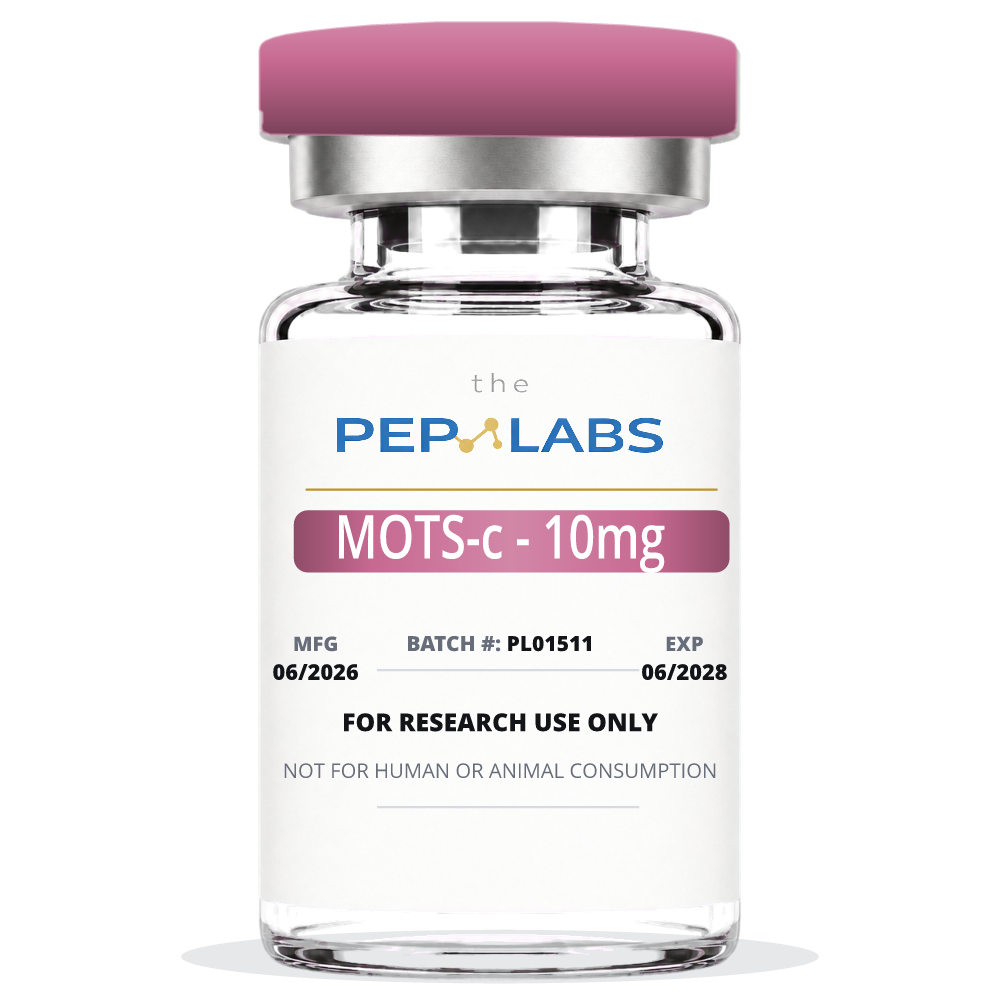
An unapproved product sold without a prescription, the $80 vial is labeled for research purposes and not for human consumption. When comparing GLOW, available for about $80 from a research site, and KLOW, priced at $349 from a clinic, this is the analysis people typically conduct in their minds. Written for individuals preparing their own vials, vendor dosage charts for GLOW and Wolverine resemble math homework.
Significant variations in individual results can occur depending on health conditions, types of injuries, and other variables. Despite promising initial human data, extensive clinical trial results for most peptide compounds remain scarce. The content available on this website, including articles, guides, and educational materials, serves purely for informational and educational purposes and is not intended as medical guidance, diagnosis, or treatment. Comprising BPC-157, GHK-Cu, KPV, and TB-500 in one vial, KLOW thus has a side-effect profile encompassing four profiles, coupled with the acknowledgment that the combination has not been studied.

Is the use of peptide stacks safe?
When purchasing the KLOW blend, remember to add bacteriostatic water to your cart as it is sold separately. Store reconstituted vials at 2–8°C and use within 28 days. To the 80mg vial, inject 2.5mL of bacteriostatic water slowly along the wall of the vial, avoiding direct contact with the powder.
KPV, a tripeptide fragment of alpha-MSH, directly inhibits NF-kB — the precursor switch for the production of TNF-alpha, IL-6, and IL-1beta — and shows documented anti-inflammatory properties specific to the gut (Luger & Brzoska, 2007). The blend’s most significant ingredient is GHK-Cu, the copper-binding tripeptide, present at 50mg; its research encompasses collagen production, wound healing, and extensive gene-expression impacts, primarily from topical and dermal studies (Pickart & Margolina, 2018). This article highlights what has been documented rather than what should be undertaken.
When people select KLOW over GLOW, they most frequently cite the KPV component. A KLOW protocol guide based on evidence is available, detailing dosing structure, reconstitution calculations, injection schedules, cycle lengths, and safety considerations for this four-peptide combination. Intended solely for educational research use, this article should not be regarded as medical advice. BPC-157’s human data comprises only three small pilot studies, while the other three compounds have even weaker records, with KPV relying solely on rodent data. None of the four individual compounds in KLOW is FDA-approved for human use, and the combination itself is not sanctioned by the FDA.
With four compounds come four sets of potential side effects, and without prior testing of the individual components, anyone is essentially guessing what caused which effect. BPC-157 and KPV, addressing a gut issue independently, omit the copper peptide and TB-500, making them significantly less expensive. The concern largely disappears for gut protocols since KPV and BPC-157 are administered in capsule form; refer to the difference between oral and injectable BPC-157. Known to have no conflict with either BPC-157 or TB-500, KPV is sometimes combined with them, though there is no stability data available for any peptide blend sold in the research market. Following a 2 to 4 week break, the only way to determine if KPV had any effect is to exclude it from the next cycle and observe if symptoms resurface. The PepT1 transporter, which is increased during inflammation, carries KPV into inflamed intestinal cells, and oral KPV has been shown to reduce colitis in several mouse models.
The complete concept of the KLOW stack
Many people in the Fully Optimized Health community stack KLOW alongside other BPC-157 protocols for gut healing, or add it to existing TB-500 regimens for injury recovery; both with excellent results. But if chronic inflammation is in the picture at all (and for most people over 40 it is), KLOW is the more complete protocol. If your primary goal is purely injury recovery and/or aesthetic skin rejuvenation without a significant inflammatory component, GLOW may be the appropriate starting point. And unlike most anti-inflammatory compounds, KPV works INSIDE the cell. This is why I’ve seen KLOW produce results in people who had already run GLOW protocols without breaking through their plateau… the missing piece in the GLOW trifecta was always the immune modulation layer. Long-time followers of the Jay Campbell ecosystem already know about the GLOW peptide blend.
Analyzing the four components
Utilizing gravity is the documented method for this procedure. Bac water allows refrigeration for up to 28 days, which is significant when a single KLOW vial can provide more than 20 injections. Other sources clarify that these materials are research compounds or experimental substances and not approved for consumer use. Interest in KLOW Peptide Stack appears to mirror a wider fascination with branded peptide combinations and formulations in 2026. The term is not presented as an approved formulation, clinical protocol, or treatment category.
Some studies on animal models have focused on tissue-level impacts after experimental injury, with researchers observing alterations in inflammatory markers in groups treated with TB-500 compared to control groups. Numerous published studies have investigated behavioral outcomes in lesion models where dopaminergic pathways were disrupted, finding that BPC-157 seems to affect certain behavioral parameters in these controlled experiments. In selecting between the two formulations, researchers should evaluate their specific pathway targets and experimental designs. Typically containing GHK-Cu, BPC-157, TB-500, and KPV, KLOW is a multi-peptide research formulation. This guide offers an in-depth analysis of the known components of the KLOW peptide stack, the receptor biology associated with each, and the preclinical literature that has investigated relevant model systems. Source Peptides exclusively provides research compounds to qualified researchers, research institutions, and laboratories for in-vitro laboratory investigations only.