Sweet Bonanza Account Settings Worth Checking Before Play

Sweet Bonanza real money casinos

Before using Sweet Bonanza at a Canadian-facing casino, it helps to separate the game’s own controls from the account tools provided by the operator. The game can offer stake selection, information screens, game history and sometimes autoplay, while the casino manages login security, balances, limits and support. The sweet bonanza free play information available online can help readers understand the interface, but real-money settings always depend on the website hosting the game. A careful check before playing can prevent confusion about which controls apply to one spin and which affect the wider account.

Which controls belong to the game itself?

The slot interface normally contains the controls needed to operate a round. These can include the stake selector, Spin button, sound and music settings, an information panel and a game-history option. Depending on the casino’s implementation, Quick Spin or Autoplay may also appear. These controls affect how the game is displayed or played, but they do not replace the casino’s account-management tools.

The information panel deserves particular attention because it explains the version currently loaded. It can show the qualifying symbol combinations, the Tumble mechanic, Scatter requirements, Free Spins rules, multiplier behaviour, available features and the applicable RTP configuration. Published information about the original game may describe RTP figures around 96.48% to 96.51%, but the loaded casino version can differ. The in-game screen is the relevant reference for that session.

Game history can be useful when checking what happened during a round. The slot’s own history may show previous game results, while the operator’s account area may provide broader records covering deposits, withdrawals, bonuses and sessions. These are not necessarily the same record. If a result or balance change is unclear, save the relevant round details and contact the hosting casino rather than assuming the game provider controls the account.

How should stake and autoplay settings be approached?

Stake selection is a game-level decision, but it has an immediate effect on the account balance. Available denominations vary by operator, currency and configuration, so players should confirm the selected amount before pressing Spin. A small-looking change in the stake selector can materially alter the cost of a session, particularly when Tumble sequences produce several wins from one paid spin.

Autoplay requires extra care because it can continue rounds without a new confirmation for every spin. Where available, its settings may include stop conditions connected with a win, a feature trigger, a single win reaching a chosen amount, or the balance rising or falling by a selected value. These options are not a guarantee that play will stop exactly as expected in every implementation, so review the displayed conditions before enabling them.

A practical approach is to use the narrowest setting that matches the intended session, then check whether the casino or game has accepted it. Do not treat autoplay as a budgeting tool by itself. A balance-loss stop can limit further automated play, but it does not create a spending limit across other games or sessions. Broader controls must be configured through the casino account, if offered.

Which account settings sit outside the game?

The casino, rather than the slot, manages login credentials, password recovery, two-factor authentication and locked-account procedures. It also controls personal-data changes, identity checks, payment ownership checks and access to the cashier. There is no separate game-specific login for real-money play. The game normally opens within the account of the operator hosting it.

Account-level tools may include deposit limits, loss limits, session reminders, cooling-off periods and self-exclusion. Their names, availability and operation can vary by operator and by the rules applying in the player’s province. A setting that stops deposits may not automatically stop access to promotional material, another casino product or an existing game session, so read the wording carefully.
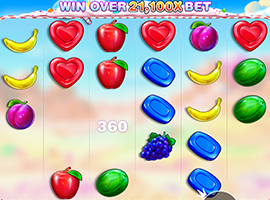
Sweet Bonanza real money casinos

For account security, use a unique password and activate stronger sign-in protection when the operator provides it. Avoid saving credentials on shared devices, and sign out after using a public or borrowed connection. If an account becomes locked or a personal detail needs correction, contact the casino’s support team. The game provider cannot normally restore access or change account information.

What changes when bonuses or special modes are involved?

Casino promotions and built-in game features are separate matters. A casino may offer promotional free spins, cashback or bonus funds, but those offers are created by the operator. Their wagering conditions, expiry dates, maximum-bet rules and game-contribution percentages are not standard rules of the slot. Read the promotion terms before activating an offer, especially if the account balance contains both cash and bonus funds.

The game’s own Free Spins feature is triggered by the required number of Scatter symbols and is not the same as promotional free spins. In the original documented version, four or more Scatters can start 10 spins, while three or more additional Scatters during the feature can add five spins. Multiplier bombs can appear during the feature, but these mechanics do not change the casino’s bonus conditions.

Some operators may also display an Ante Bet or Bonus Buy option. The documented Ante Bet increases the stake by 25% and is intended to improve the chance of triggering Free Spins, while disabling the purchase option. Bonus Buy, where permitted, may cost 100 times the selected base bet. Availability is operator- and jurisdiction-dependent, so never assume that a mode shown in general game material is enabled on a particular account.

When should settings be checked before a session?

Review the account and game settings before the first paid round, after a device change and whenever the casino updates its game interface. Confirm the account currency, selected stake, available balance and whether autoplay, Quick Spin, Ante Bet or Bonus Buy is active. Also open the information screen to verify the rules and RTP configuration instead of relying on a description from another casino.

It is sensible to check the operator’s responsible-gambling tools before depositing. The Canadian Centre on Substance Use and Addiction’s gambling information can provide broader public guidance, but it does not confirm the controls offered by any particular casino. For casino-specific limits, read the operator’s account pages or ask support how a limit works, when it takes effect and whether it can be changed immediately.

After play, review the game history and account transaction record where available. Compare the stake used with the amount intended, note any bonus balance separately and check whether an automated feature remained active. If the records appear inconsistent, stop further play and request clarification from the operator. Keeping a simple personal session note can also make it easier to identify an unexpected setting or account issue.

Frequently asked questions

Does the game have its own login or account settings?

No. Real-money play uses the casino account hosting the game. The operator manages login, password recovery, identity verification, payment details, account limits and support. The game interface handles round-level controls such as stake selection, sound, information, history and, where enabled, autoplay.

Can autoplay replace a casino deposit or loss limit?

No. Autoplay only automates rounds according to the conditions displayed in the game. It does not necessarily apply across other games or sessions. Deposit, loss, session and self-exclusion controls belong to the operator, so configure those separately and confirm how each limit operates.

Why might settings differ between two Canadian casinos?

Operators can offer different game configurations, stake ranges, RTP versions and optional features. They also set their own account tools, promotional terms and availability rules. Province, operator policy and the particular software version may all matter, so check the loaded game’s information panel and the casino’s current terms.

🔥 Play ▶️

Essential strategies for airplane game success with bluelinelw.com and maximizing potential winnings

The thrill of the “airplane game” – a captivating blend of risk and reward – has surged in popularity, drawing players seeking an exciting and potentially lucrative experience. At its core, this digital pastime centers around predicting when to cash out before an airplane flies away, with increasing multipliers offering bigger payouts the longer it stays airborne. A key platform for experiencing this unique form of entertainment is bluelinelw.com, where players can immerse themselves in this dynamic game and test their strategic prowess. It’s a simple concept, yet demands careful observation, quick reflexes, and a healthy dose of calculated risk.

The appeal lies in the psychological element; it's not just about luck, but about understanding probabilities, managing your emotions, and recognizing patterns. Each round presents a new challenge, forcing players to adapt their strategies and make split-second decisions. While the potential for substantial winnings is attractive, the ever-present threat of a sudden “crash” adds an undeniable layer of tension. Successfully navigating this environment requires a mindful approach, and a clear understanding of the underlying mechanics. The game’s popularity speaks to a broader desire for engaging and unpredictable online experiences.

Understanding Risk and Reward in Airplane Games

The foundational principle of any airplane game, including those available on platforms like bluelinelw.com, is the interplay between risk and reward. The longer the virtual aircraft remains aloft, the higher the multiplier climbs, leading to potentially significant profits. However, this extended flight isn’t guaranteed; at any moment, the plane can disappear, resulting in the loss of your wager. This inherent volatility is what makes the game so compelling. Players are essentially betting on the probability of the plane continuing its ascent versus the likelihood of an unexpected crash. Mastering this balance requires a nuanced understanding of how these games operate. It’s crucial to move beyond simply chasing high multipliers and instead focus on developing a strategic approach that minimizes risk while maximizing potential gains.

One common mistake among novice players is to become overly fixated on previous rounds, believing they can identify patterns that predict future outcomes. While observing past results can be informative, it’s important to remember that each round is largely independent. The game utilizes random number generators (RNGs) to determine when the plane will fly away, ensuring fairness and unpredictability. Relying too heavily on perceived patterns can lead to irrational decision-making and ultimately, increased losses. Successful players understand that while they can't predict the future with certainty, they can control their risk exposure and implement strategies to protect their bankroll.

The Role of Autocashout Features

Many platforms, including bluelinelw.com, offer an "autocashout" feature. This allows players to pre-set a multiplier at which their bet will automatically cash out, regardless of whether they are actively monitoring the game. This can be an incredibly valuable tool for managing risk and ensuring consistent profits, even when you're unable to dedicate your full attention to the game. For example, setting an autocashout at 1.5x multiplier means you will automatically cash out when the multiplier reaches that point, guaranteeing a small but consistent return on your investment. However, it’s important to strategically select your autocashout multiplier. Too low, and you may miss out on larger potential gains; too high, and you risk losing your stake if the plane flies away before reaching your target.

Successfully leveraging autocashout involves analyzing your risk tolerance and setting multipliers that align with your overall strategy. It's not a "set it and forget it" solution. Periodically re-evaluating and adjusting your autocashout settings based on current game conditions can significantly improve your performance. It’s also worth noting that some advanced players utilize multiple autocashout settings, implementing a layered approach to maximize their chances of securing a profit. This might involve setting a lower multiplier for a guaranteed return and a higher multiplier for a more speculative payout.

Autocashout Multiplier
Risk Level
Potential Payout
Frequency of Wins
1.2x Low Small High
2.0x Medium Moderate Medium
3.5x High Large Low
5.0x Very High Very Large Very Low

Understanding the trade-offs associated with each multiplier setting is essential for making informed decisions and optimizing your autocashout strategy. Remember that patience and discipline are key; consistently applying a well-defined strategy, rather than chasing fleeting moments of excitement, is the path to long-term success.

Developing a Winning Strategy

A successful airplane game strategy isn’t about finding a “magic formula” but rather about employing disciplined risk management and adapting to the game's dynamic nature. Starting with a conservative approach is often advisable, especially for new players. This involves setting realistic goals, establishing a clear budget, and avoiding the temptation to chase losses. Rather than attempting to recoup losses with larger bets, it's far more prudent to adjust your strategy and bet size to mitigate further risk. Many experienced players advocate for using a percentage-based betting strategy, where you wager a small percentage of your total bankroll on each round. This helps to cushion against losses and preserve capital for future opportunities.

Diversification is another key element. Instead of placing all your eggs in one basket, consider spreading your bets across multiple rounds or even utilizing multiple autocashout settings. This reduces your overall exposure to risk and increases your chances of securing a profit. Equally important is the ability to recognize when to step away. If you're experiencing a prolonged losing streak, or if you’re feeling emotionally compromised, it’s best to take a break and return to the game with a clear head. Chasing losses when you’re already down is a surefire way to deplete your bankroll.

Bankroll Management Techniques

Effective bankroll management is the cornerstone of any successful airplane game strategy. Before you even begin playing, determine how much money you’re willing to allocate to this activity and treat it as a separate fund that is not essential for your everyday expenses. A common guideline is to set aside a specific amount that you’re comfortable losing. This ensures that even if you experience a series of unfavorable outcomes, it won’t have a significant impact on your financial well-being. Furthermore, break down your bankroll into smaller units, and only wager a small percentage of your total bankroll on each round, typically between 1% and 5%.

A practical example: if your total bankroll is $100, you might choose to wager $1-$5 per round. This allows you to withstand a reasonable number of losses without depleting your capital. Furthermore, it’s important to track your results. Keeping a record of your wins and losses will help you identify areas where you’re performing well and areas where you need to improve. This data can then be used to refine your strategy and optimize your betting patterns. Remember that consistent, incremental gains are far more sustainable than attempting to hit a massive jackpot with a single, risky bet.

  • Set a strict budget and stick to it.
  • Use percentage-based betting (1-5% of bankroll per round).
  • Track your wins and losses to identify trends.
  • Avoid chasing losses; adjust strategy instead.
  • Take breaks when needed.

By implementing these bankroll management techniques, you’ll significantly increase your chances of enjoying a positive and sustainable experience with airplane games on platforms like bluelinelw.com. This disciplined approach is far more likely to yield consistent results than relying on luck or impulsive decisions.

The Psychological Aspects of the Game

Beyond the mathematical probabilities and strategic considerations, the airplane game is deeply rooted in psychological factors. The anticipation of a potential payout, coupled with the fear of losing your stake, creates a unique emotional cocktail that can easily lead to impulsive decision-making. Many players fall victim to “loss aversion,” the tendency to feel the pain of a loss more strongly than the pleasure of an equivalent gain. This can lead them to increase their bets in an attempt to recoup losses, even when it’s strategically unsound. Recognizing this inherent bias is critical to maintaining a rational approach. It’s essential to approach each round with a clear head, focusing on the probabilities and adhering to your pre-defined strategy, rather than allowing emotions to dictate your actions.

Another common psychological trap is the “gambler’s fallacy,” the belief that past events can influence future outcomes in a random system. As previously mentioned, each round in an airplane game is independent, and previous results have no bearing on the next. However, players often fall into the trap of believing that a long streak of losses is “due for a win,” leading them to make irrational bets. Successful players understand that randomness is inherent in the game and avoid letting their emotions cloud their judgment. Maintaining emotional control, practicing mindfulness, and accepting that losses are an inevitable part of the experience are all essential components of a winning mindset.

Managing Tilt and Emotional Control

“Tilt,” a term borrowed from poker, refers to a state of emotional frustration and impaired judgment that can lead to reckless betting behavior. Recognizing the signs of tilt – such as increased irritability, impulsive decisions, and a disregard for your strategy – is the first step in managing it. When you feel yourself starting to tilt, the best course of action is to immediately step away from the game. Take a break, engage in a relaxing activity, and clear your head before returning. It’s far better to lose a small amount of money than to chase losses while operating under the influence of negative emotions.

  1. Identify your personal triggers for tilt.
  2. Set pre-defined loss limits to avoid emotional escalation.
  3. Take frequent breaks to maintain mental clarity.
  4. Practice mindfulness techniques to stay present and focused.
  5. Review your gameplay objectively after each session.

Developing a robust emotional toolkit is just as important as mastering the game's mechanics. By cultivating self-awareness, practicing emotional regulation, and adhering to a disciplined strategy, you can navigate the psychological challenges of the airplane game and maximize your chances of success.

Beyond Basic Strategy: Advanced Techniques

Once you’ve mastered the fundamentals of risk management and bankroll control, you can begin exploring more advanced techniques to refine your strategy. These may include analyzing game statistics, identifying potential biases in the RNG, and experimenting with different betting patterns. Some advanced players utilize tools and software to track game data and identify subtle trends that may not be immediately apparent. However, it’s important to approach these techniques with a healthy dose of skepticism and avoid overanalyzing data in an attempt to find patterns that don’t exist. The core principles of risk management and emotional control remain paramount, even when employing advanced strategies.

Another area for exploration is the use of different autocashout configurations. Rather than relying on a single multiplier, you can create multiple autocashout points to capture profits at different levels. This allows you to balance risk and reward more effectively and potentially increase your overall returns. For example, you might set a low autocashout multiplier (e.g., 1.3x) for a guaranteed small profit, a medium multiplier (e.g., 2.5x) for a moderate payout, and a high multiplier (e.g., 5.0x) for a more speculative reward. This layered approach provides a degree of flexibility and reduces the risk of losing your entire stake. Remember, continuous learning and adaptation are essential for staying ahead in the ever-evolving world of airplane games. The platform bluelinelw.com offers a space to test these strategies, but results can vary.

Adapting to Dynamic Game Environments

The landscape of airplane games is constantly evolving, with new features, mechanics, and algorithms being introduced regularly. This necessitates a flexible and adaptive approach to strategy. What works today may not work tomorrow, so it’s crucial to remain informed about the latest developments and adjust your tactics accordingly. Staying active within online communities dedicated to airplane games can provide valuable insights into emerging trends and strategies. Sharing experiences with other players, analyzing different approaches, and learning from both successes and failures can accelerate your learning curve.

Furthermore, it’s essential to recognize that different airplane game variations may require slightly different strategies. Some games may feature unique multipliers, bonus rounds, or other special features that necessitate a tailored approach. Always familiarize yourself with the specific rules and mechanics of the game you’re playing before placing any bets. The key to long-term success isn’t about discovering a single winning strategy, but about cultivating the ability to adapt and innovate in response to changing conditions. It’s about embracing the challenge, constantly refining your approach, and maintaining a disciplined mindset. A player’s dedication to learning, coupled with responsible gameplay, sets the stage for enjoying the exciting world of online airplane games.